


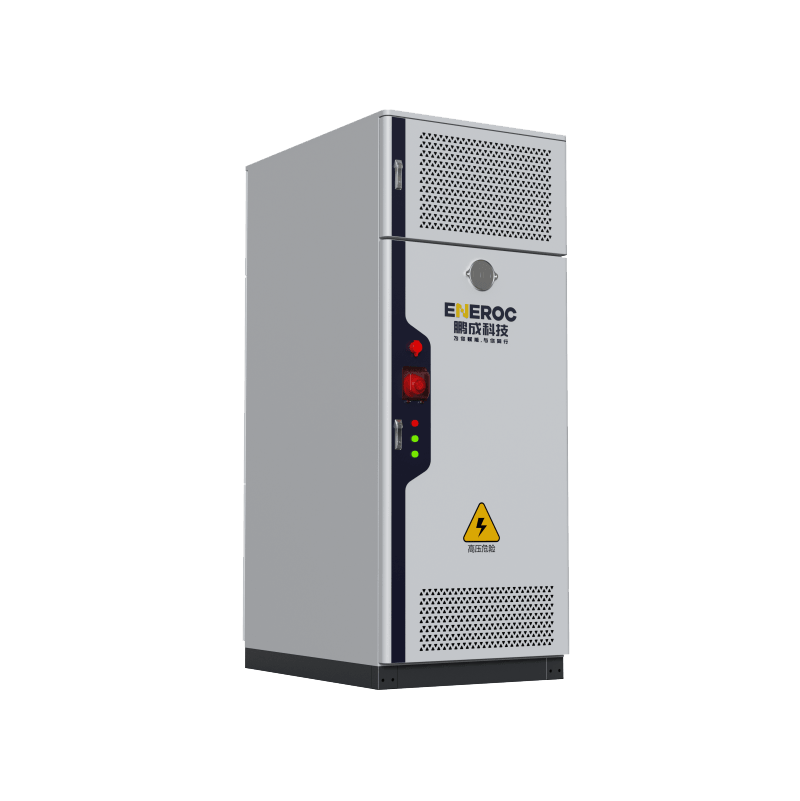
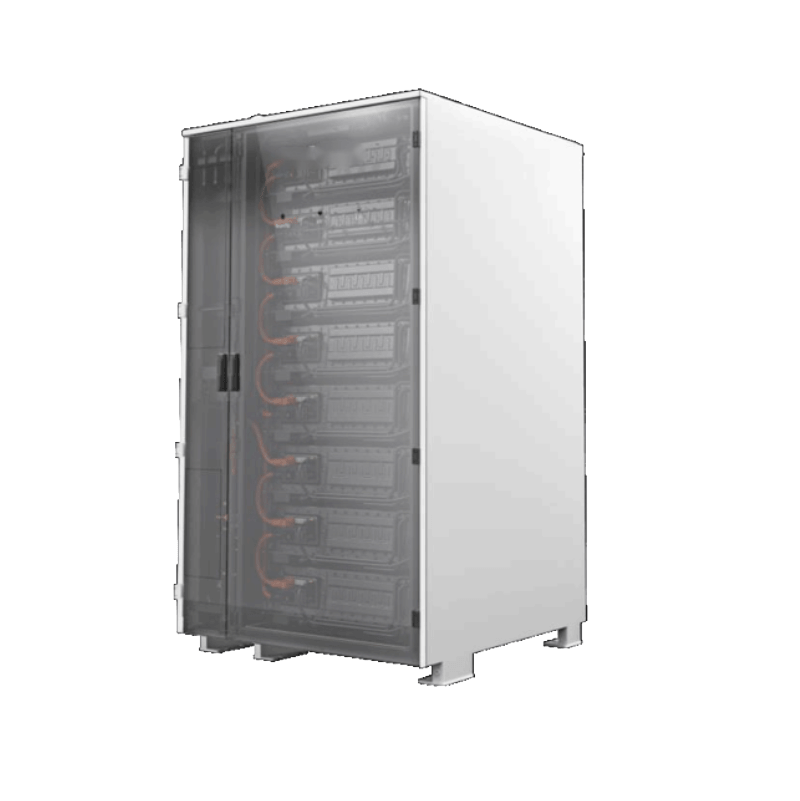
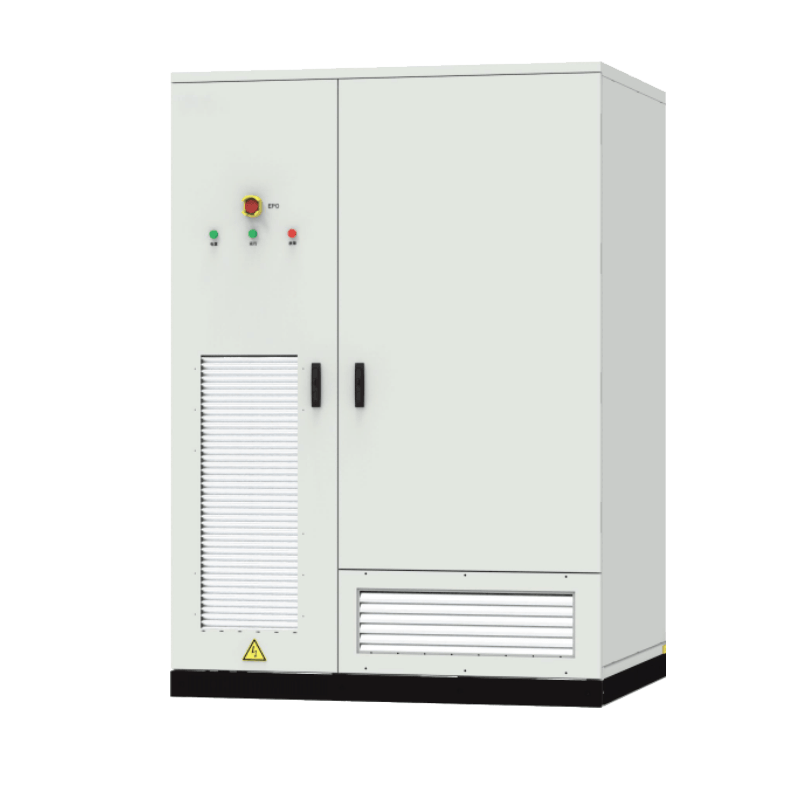
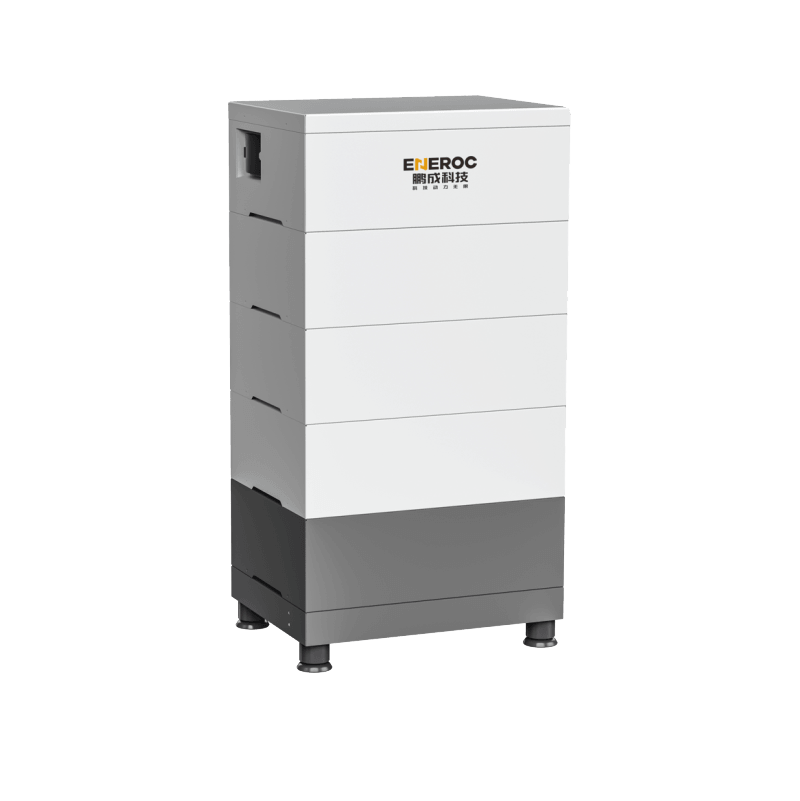










How Do Energy Storage Systems Activate Application Value Across Multiple Scenarios?
1. Introduction
Against the backdrop of the global energy transition and the deepening of power market reforms, the application of energy storage technology has become a key means to enhance the flexibility and economic efficiency of power systems. Energy storage systems demonstrate diversified application value in response to electricity consumption requirements across various scenarios, including commercial and industrial sectors, the grid side, as well as off-grid and microgrid settings. This paper aims to systematically review energy storage application models within these three representative scenarios and analyze their principal functionalities and economic benefits in practical operation.
2. Commercial and Industrial Energy Storage
Under the current context, commercial and industrial users are confronted with continually rising electricity costs and challenges to power supply reliability. The expanding disparity between peak and valley electricity prices, coupled with enterprises’ inherent demand for green and sustainable development, collectively drive the large-scale deployment of energy storage systems. Energy storage has evolved from a backup power supply to an intelligent hub for enterprise energy management, significantly enhancing energy efficiency and security through peak-valley arbitrage, stable supply, and photovoltaic coordination. Its typical application modes are mainly demonstrated in the following areas:
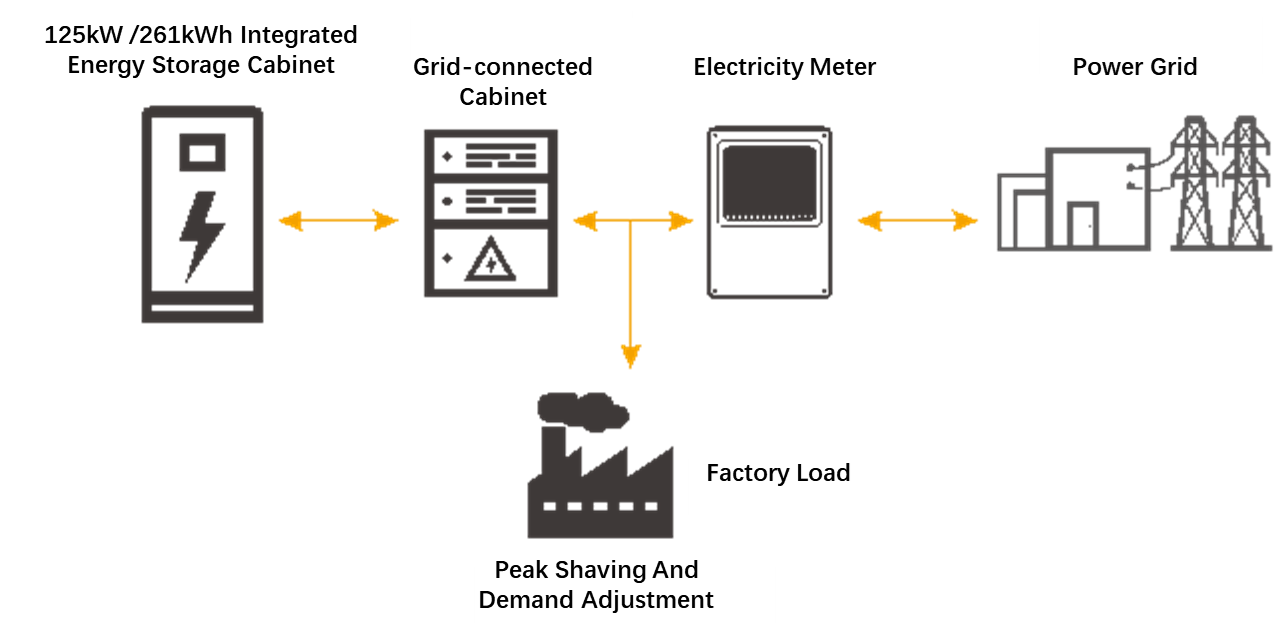
1) Electricity Cost Optimization (Peak-Valley Arbitrage): Charging the energy storage system during nighttime or low electricity price periods and discharging during daytime peak demand and high price intervals to supply the enterprise, thereby directly reducing overall electricity expenses.
2) Demand Management: Utilizing the energy storage system to precisely control the enterprise’s maximum power demand from the power grid, preventing spikes in demand charges caused by short-term load surges and further lowering fixed electricity fees.
3) Backup Power Supply and Power Security: During scheduled power grid outages or unexpected faults, the Energy Storage System can seamlessly transition to provide uninterrupted power to critical production equipment or essential loads, thereby ensuring production continuity.
4) Dynamic Capacity Augmentation: In scenarios where distribution capacity is limited, expansion is challenging, or associated costs are prohibitive, the Energy Storage System delivers additional power support during peak load periods. This functions as a form of “dynamic capacity augmentation” of the distribution system, effectively deferring or substituting expensive power grid expansion investments.
5) Distributed Energy Utilization: Integrated with rooftop photovoltaic systems at industrial facilities, the Energy Storage System stores surplus photovoltaic generation during midday and dispatches this energy during periods when photovoltaic output ceases in the evening, maximizing the self-consumption ratio and improving the effectiveness of renewable energy utilization.
3. Grid Side and Shared Energy Storage
As the power grid continues to integrate an increasing share of renewable energy, its inherent intermittency and variability present unprecedented challenges to the real-time balancing and secure, stable operation of the power system. Grid-side energy storage, particularly in the form of shared energy storage, is emerging as a crucial infrastructure for the development of advanced power systems due to its rapid response capabilities, flexible regulation characteristics, and the economies of scale enabled through aggregation. Specifically, its primary functions include:
1) Primary frequency regulation and fast frequency response services: Leveraging energy storage’s capability to respond within milliseconds to seconds, it automatically mitigates frequency deviations caused by sudden load changes or renewable energy fluctuations, thereby ensuring grid frequency stability. This represents a significant advantage over conventional generating units.
2) Peak Shaving and New Energy Integration: Store surplus electricity generated during periods of high new energy availability and release it during peak load intervals such as the evening peak, enabling intertemporal energy transfer. This effectively reduces wind and solar curtailment and mitigates transmission and distribution bottlenecks.
3) Shared Energy Storage Stations: Establish independent large-scale energy storage stations that provide standardized storage services concurrently to multiple new energy generation sites or power users through mechanisms such as 'capacity leasing' or 'energy service,' thereby enhancing the utilization efficiency of energy storage assets and lowering the initial investment barrier for new energy storage integration.
4) System Backup and Black Start: Function as an emergency backup power supply for the power grid, offering short-term power support under extreme situations or assisting in the restoration of local power networks (black start), thus strengthening grid resilience.
4. Off-grid and Microgrid Energy Storage
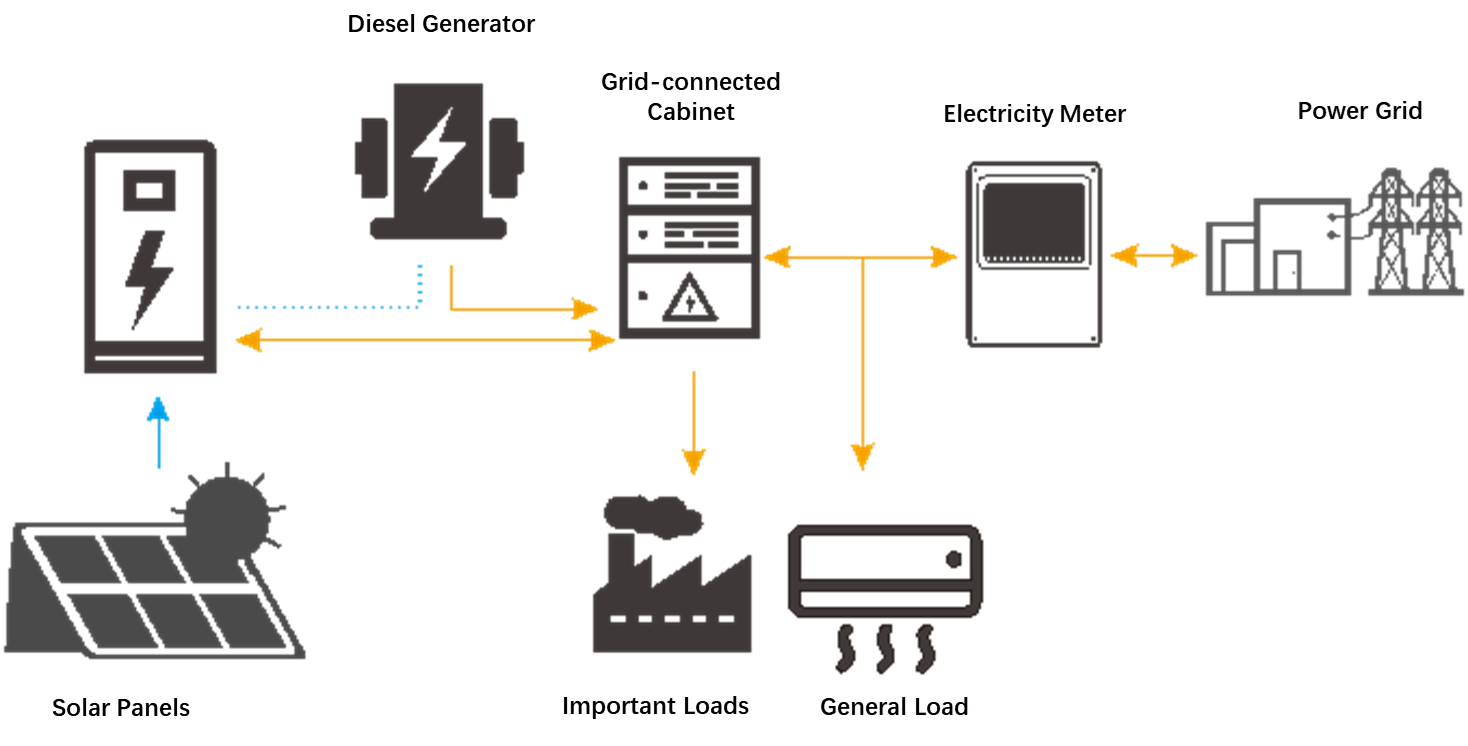
In remote areas lacking power grid coverage, in islands or mining zones with weak grids, or in special sites demanding extremely high power supply continuity, stable and reliable electricity is a lifeline for survival and development. Off-grid and microgrid energy storage systems establish a localized power network capable of independent operation or flexible grid-connected/off-grid switching by intelligently integrating energy storage with distributed energy sources and conventional generators, thereby providing robust electrical support for remote community livelihoods, industrial and mining operations, emergency response, and sustainable green communities. Typical application scenarios include:
1) Pure Off-grid Power Supply System: Provides a 100% autonomous power solution based on “PV/Wind + Energy Storage” for remote villages, islands, highland outposts, field workstations, and other areas lacking public power grid coverage, ensuring uninterrupted 24-hour electricity supply.
2) Weak Power Grid Enhancement System: At the power grid edge or in regions with poor power quality, the integration of energy storage to form a microgrid effectively stabilizes grid fluctuations, mitigates voltage sags, frequency deviations, and other disturbances, thereby delivering high-quality power to sensitive loads.
3) Multi-Energy Complementary Microgrid: In scenarios such as industrial parks, bases, and islands, the integration of photovoltaic, wind power, energy storage, and other energy sources, combined with intelligent energy management, achieves optimal composition and dispatch. This maximizes renewable energy utilization, enhances power supply reliability, and reduces overall energy costs.
4) Integrated Photovoltaic-Energy Storage-Charging Independent Unit: In locations where power grid access is difficult or cost-prohibitive, such as highway service areas, remote scenic locations, and temporary construction sites, independent integrated power supply units incorporating photovoltaic generation, energy storage, and charging stations are deployed to realize self-generation and self-consumption of renewable energy.
5. Conclusion
Energy Storage Systems exhibit diverse application values across commercial and industrial, grid side, and off-grid and microgrid scenarios. Commercial and industrial energy storage primarily enhances user-side economic efficiency by reducing electricity costs through mechanisms such as peak-valley arbitrage and demand management; Grid-side and shared energy storage primarily focus on system-level regulation and resilience enhancement, addressing power grid demands including frequency regulation, peak shaving, and new energy integration. Off-grid and microgrid energy storage emphasize power supply reliability and energy autonomy, ensuring stable operation in areas without grid access or with weak grid connections. These applications highlight the significant role of energy storage in supporting the secure, economical, and clean operation of power systems across multiple levels.

