


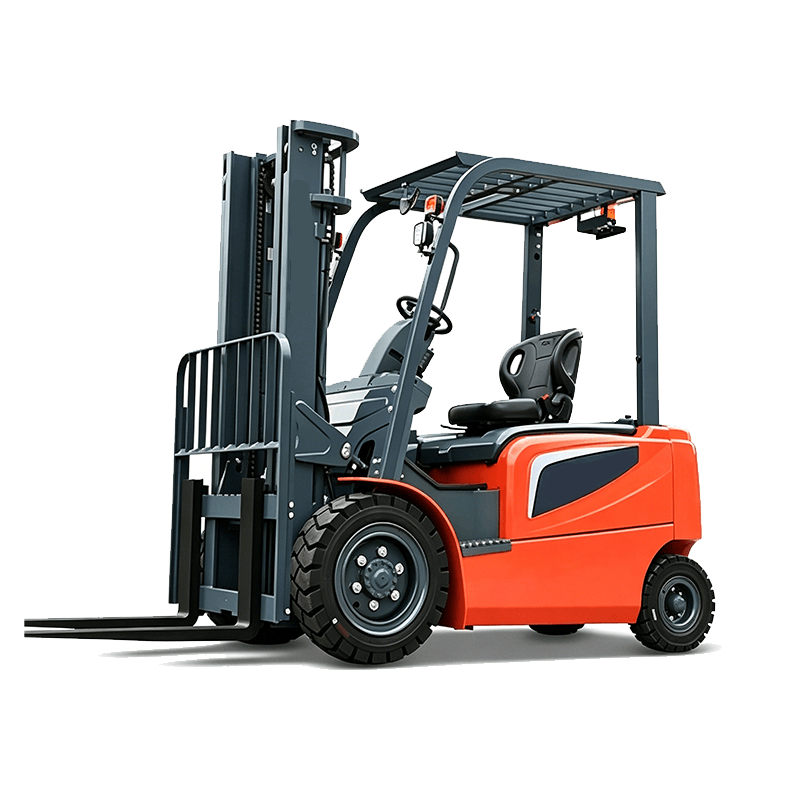
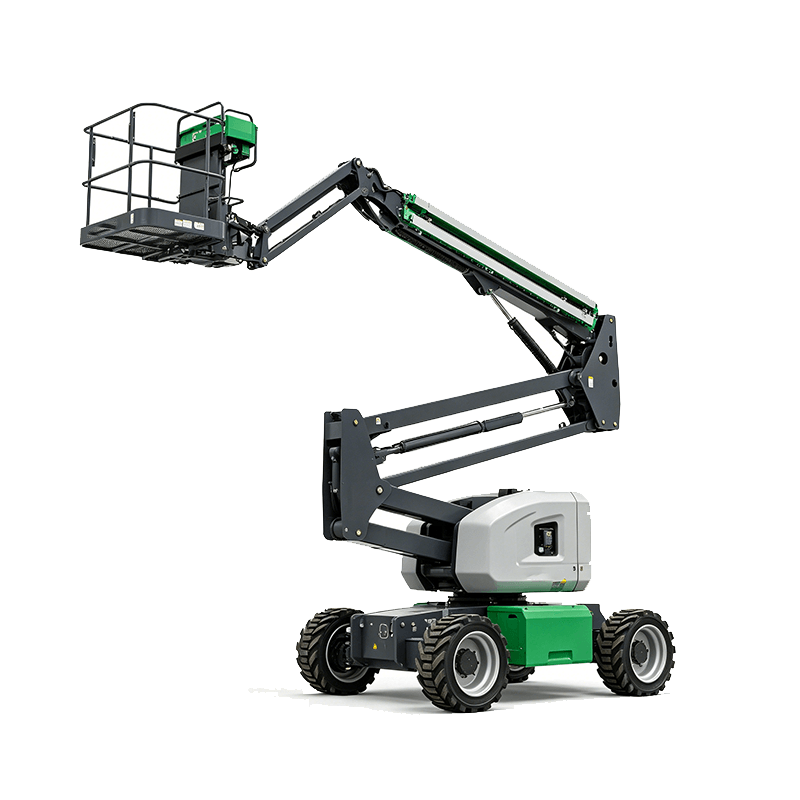
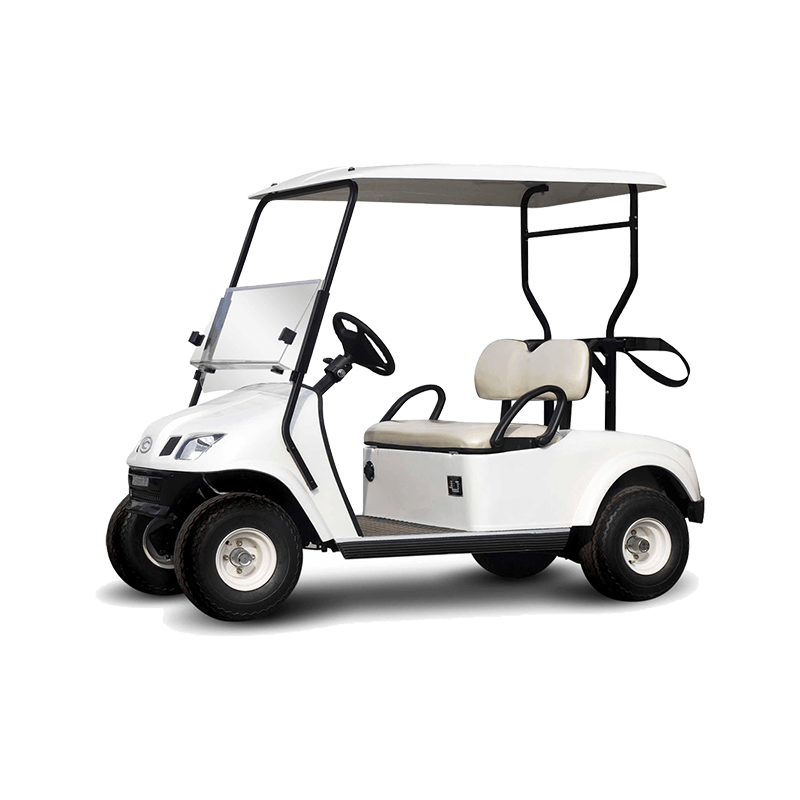
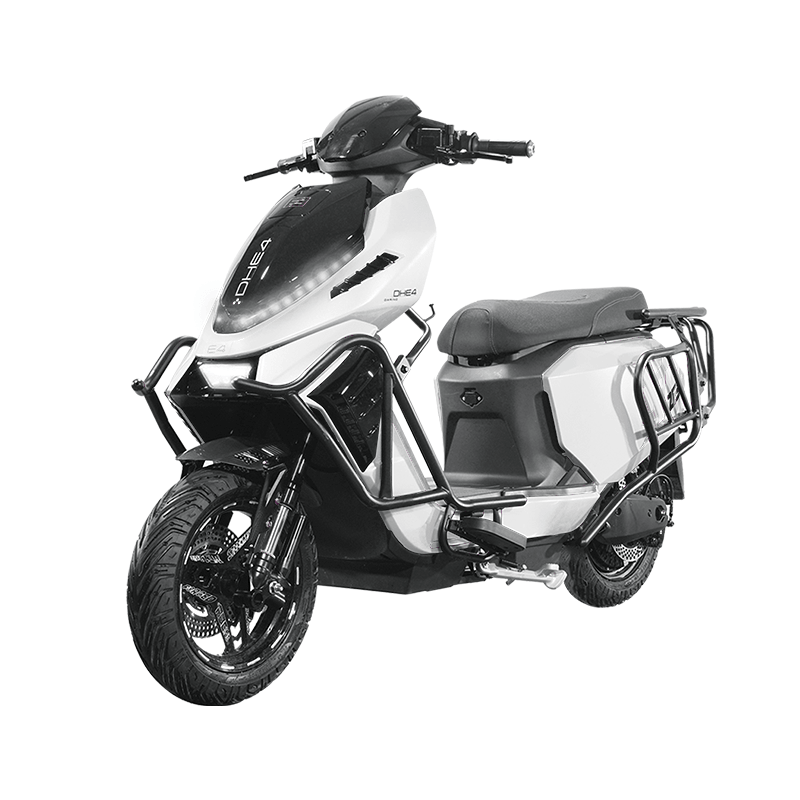
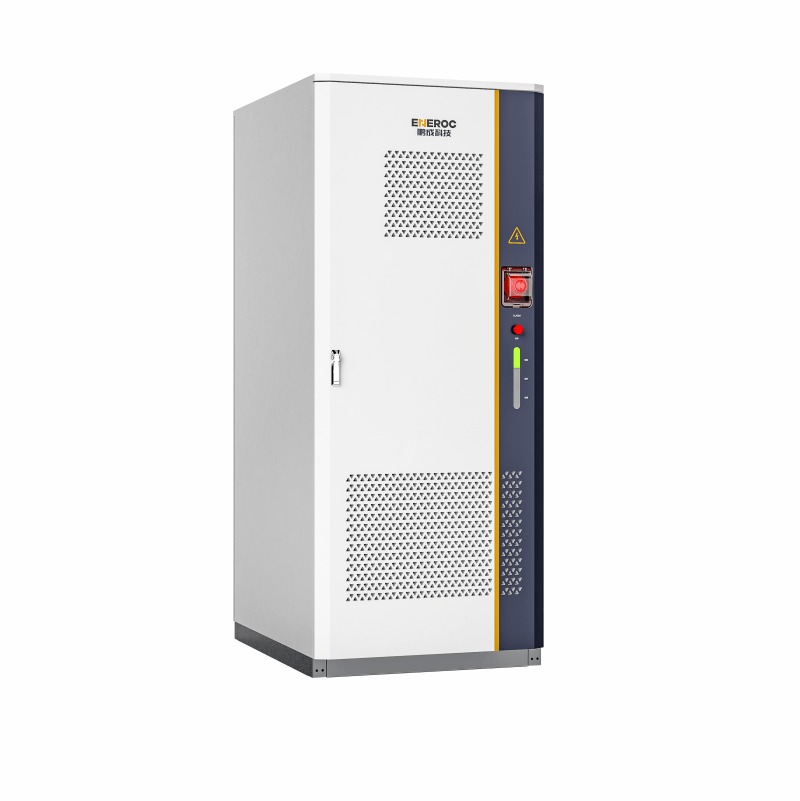
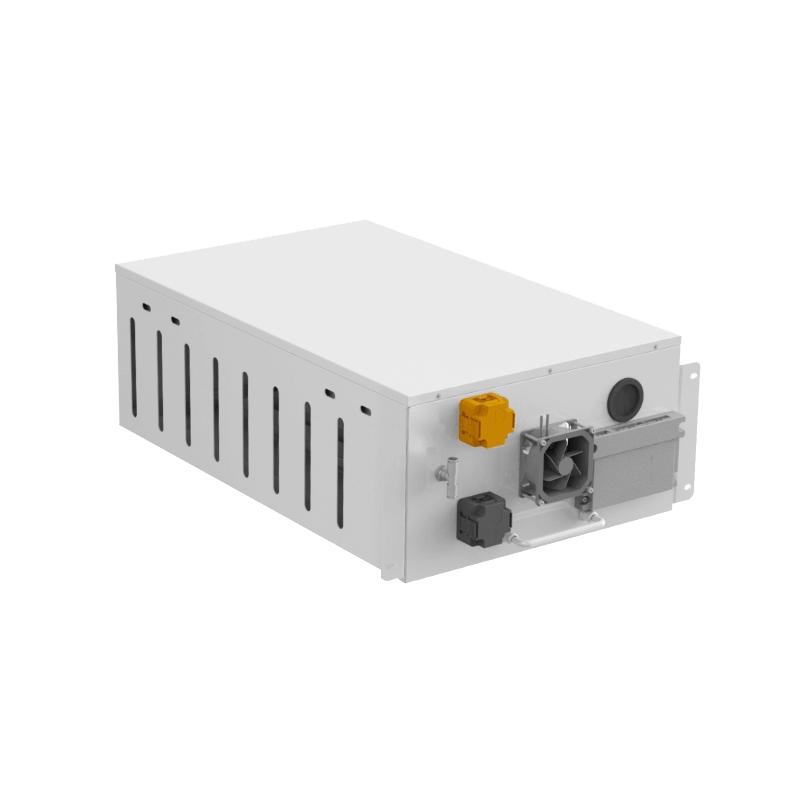
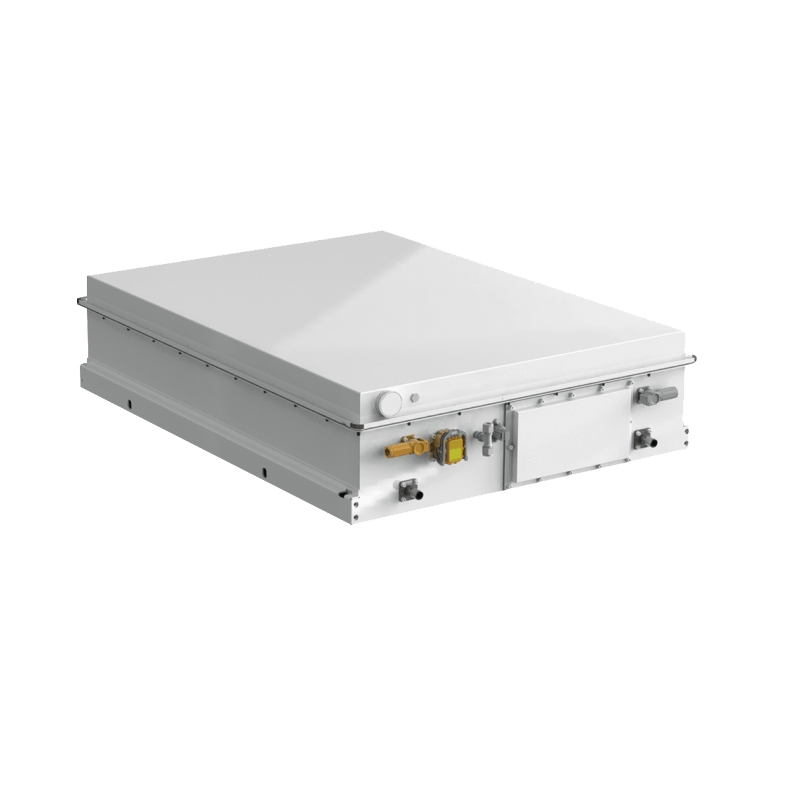
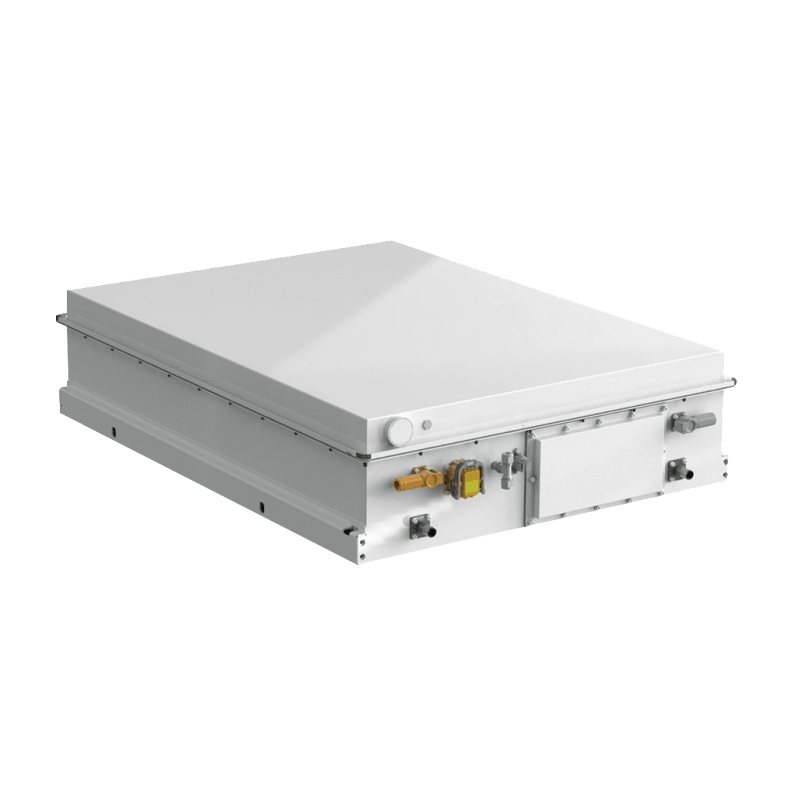










ENEROC Light Vehicle High-energy Lithium Battery System Solutions
In the light vehicle sector, power systems are progressively shifting from lead-acid to lithium power. Whether low-speed four-wheeled electric vehicles, electric light motorcycles or electric tricycles, users share the same concerns: how to improve range stability, reduce maintenance frequency, and ensure system safety and controllability while keeping vehicle purchase costs manageable. Addressing these real needs, Eneroc has launched a high-energy lithium iron phosphate battery system tailored for the light vehicle market.
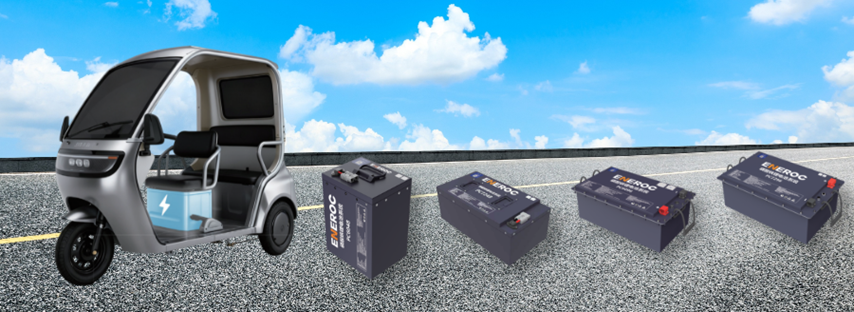
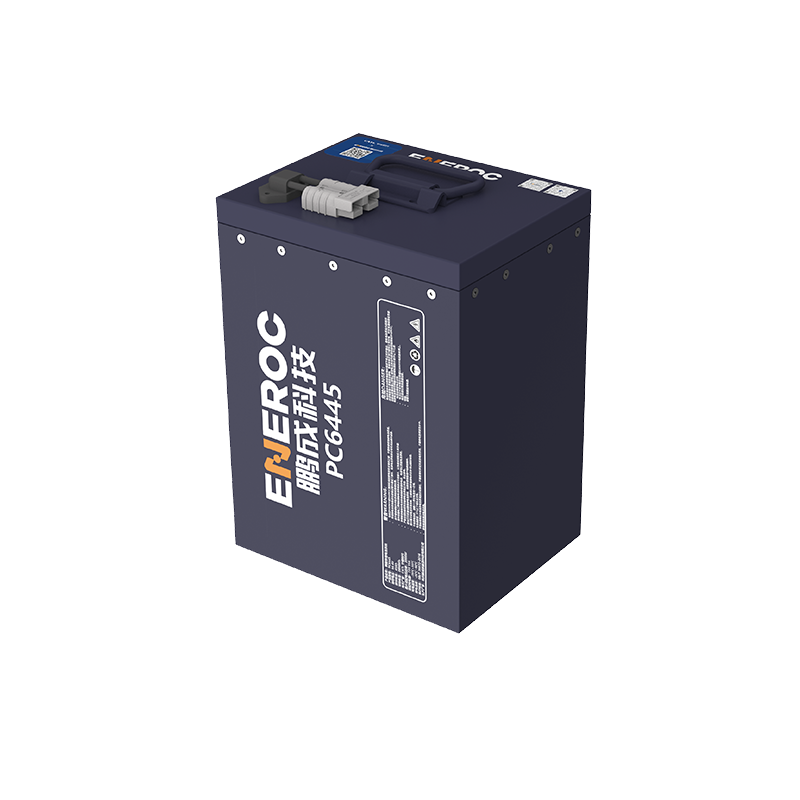
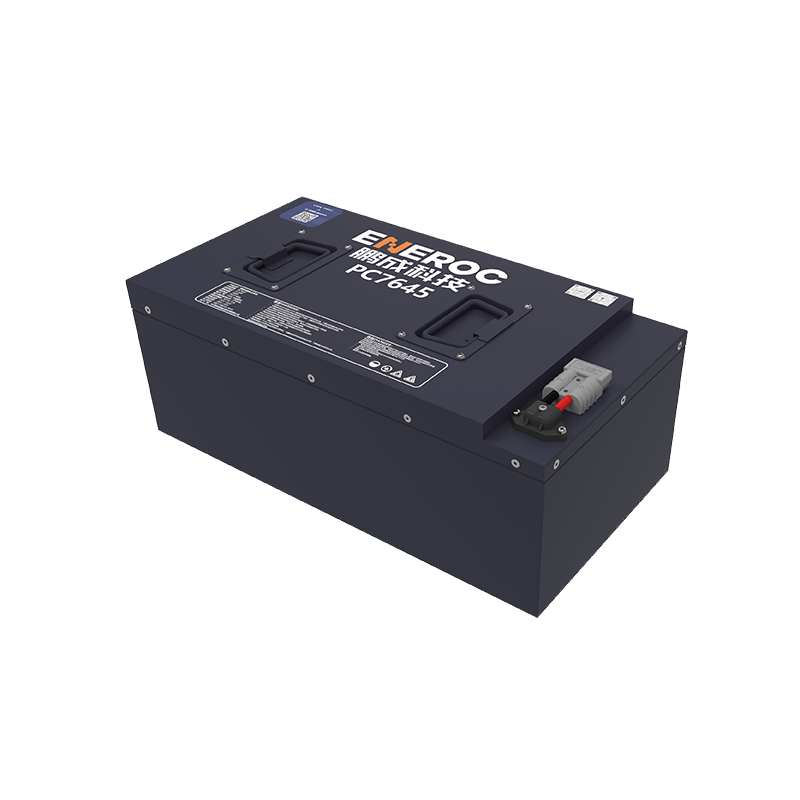
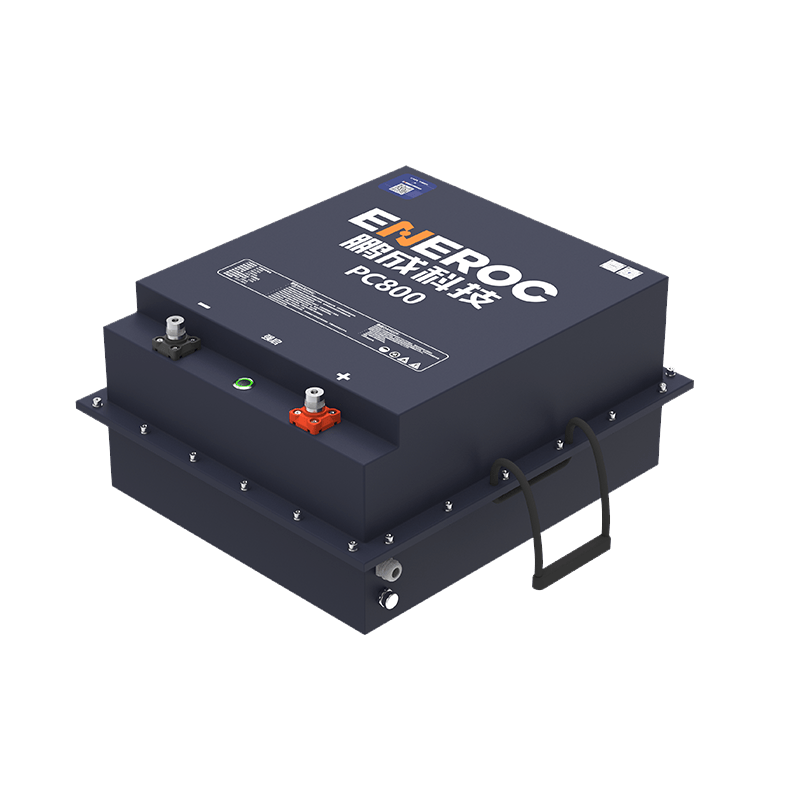
As one of Eneroc's key product lines, this series of light vehicle power batteries supports 60V and 72V voltage platforms, with models including PC6048, PC6096, PC7248, and PC7296, capable of powering motor systems up to 5000W. Eneroc's goal is not just to replace Lead-acid with Lithium power, but to offer a mature, system-level, and engineering-ready power solution for light vehicles.
1. CATL Battery Cell: Safety and Longevity
For the battery cell system, CATL's Lithium Iron Phosphate Battery Cell is employed to ensure product performance and reliability from the outset. Light vehicle use typically involves continuous discharge at medium to low rates, frequent start-stop cycles, wide ambient temperature variations, and long usage durations. With its outstanding performance, the CATL Lithium Iron Phosphate Battery Cell perfectly adapts to these demands:
1) High Safety: Equipped with CATL automotive-grade Lithium Iron Phosphate Battery Cells that are inherently safe. They do not catch fire or explode under high temperatures, and even if thermal runaway occurs, the spread is effectively suppressed, providing the highest level of safety protection for people and equipment.
2) Ultra-long Life: Cycle Life exceeds 2,000 cycles, far surpassing ordinary Lead-acid Batteries, significantly reducing replacement costs over the entire lifespan. A one-time investment with long-term returns, especially suitable for high-frequency operation Light Vehicles.
3) Low Temperature Adaptability: Maintains stable discharge at -20℃ and safe charging at -15℃, effectively preventing lithium plating risks in low temperatures and easily handling harsh conditions such as severe cold in northern regions.

Figure 1. CATL Battery Cell
Under actual operating conditions for light vehicles (such as steady cruising and gentle slope driving ), the Discharge Rate typically remains in the mid-low range. This Discharge Rate range balances output capability with lifetime management, meeting everyday power needs while preventing accelerated aging from high current discharge. During the design phase, battery cell selection, internal resistance matching, and balancing strategies were optimized to ensure stable pack output and avoid premature degradation due to cell inconsistencies.

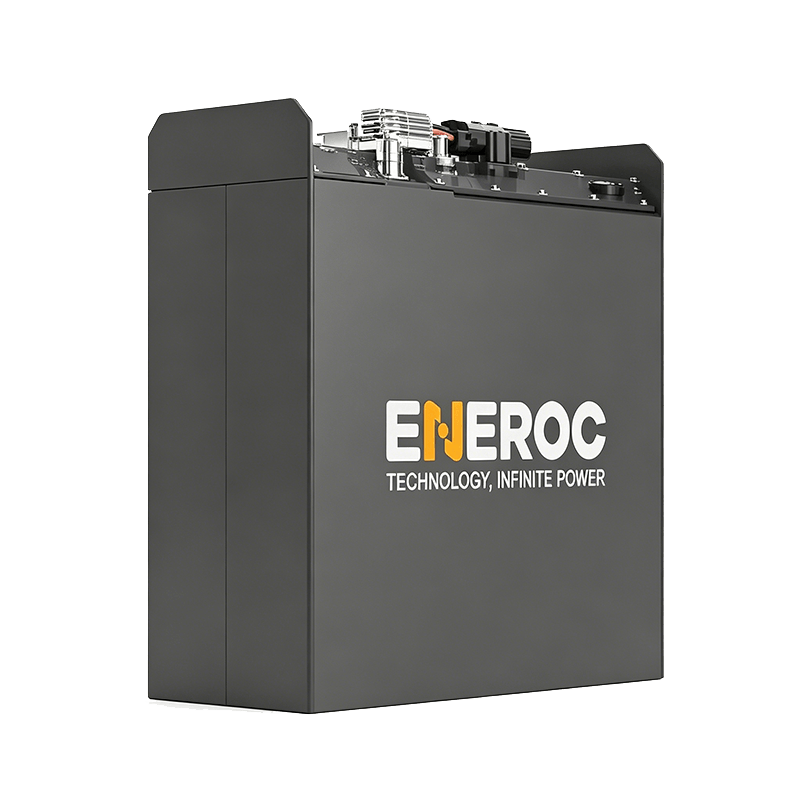
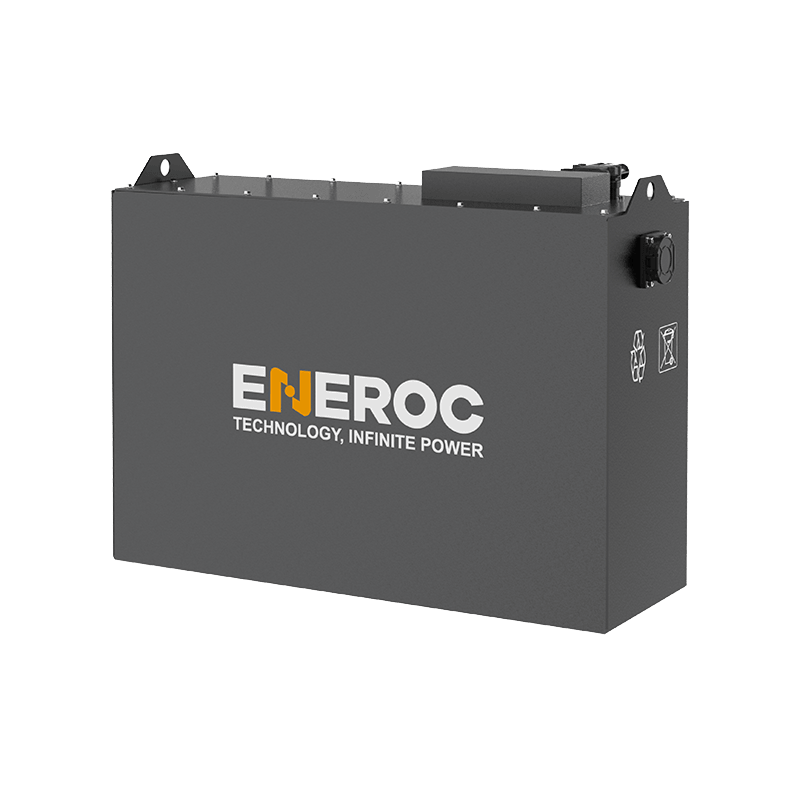
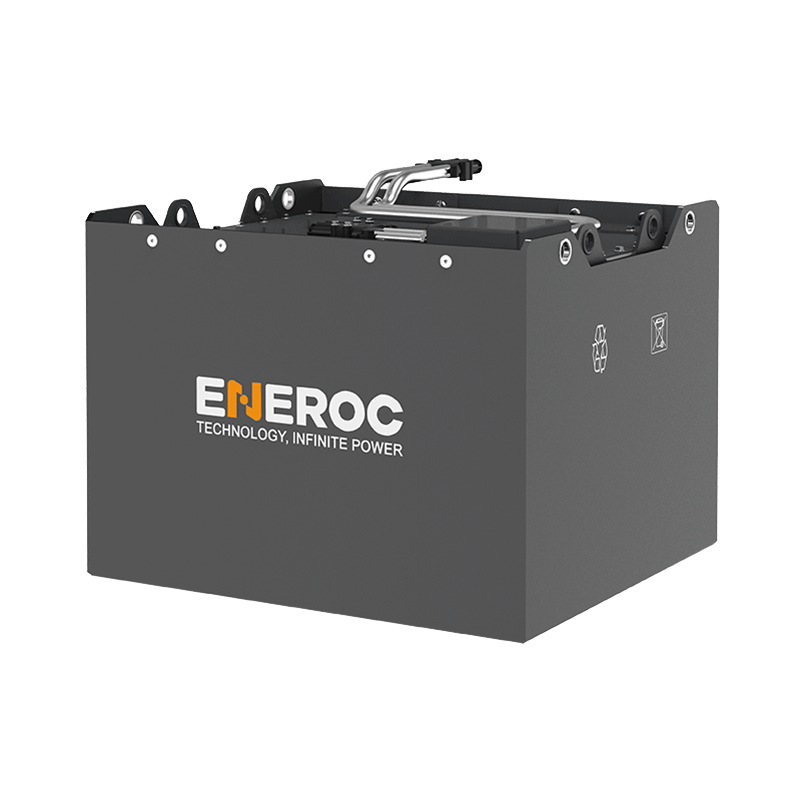
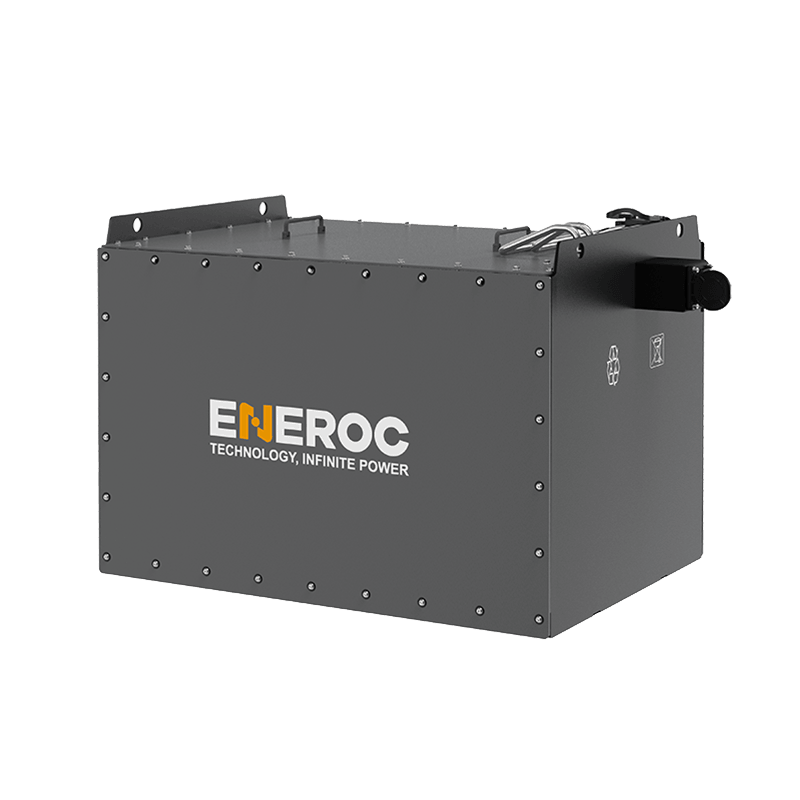
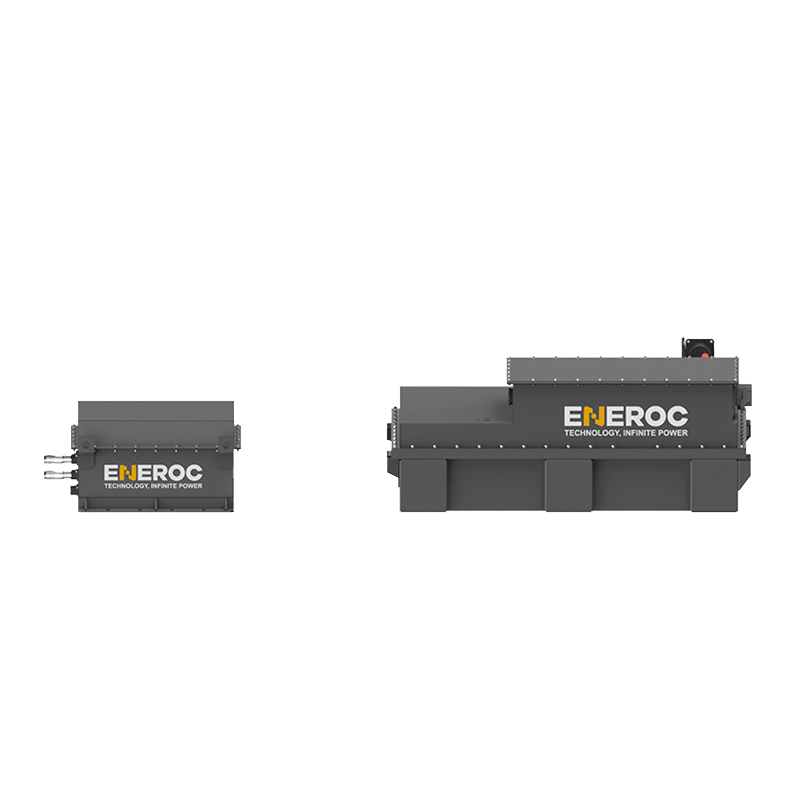
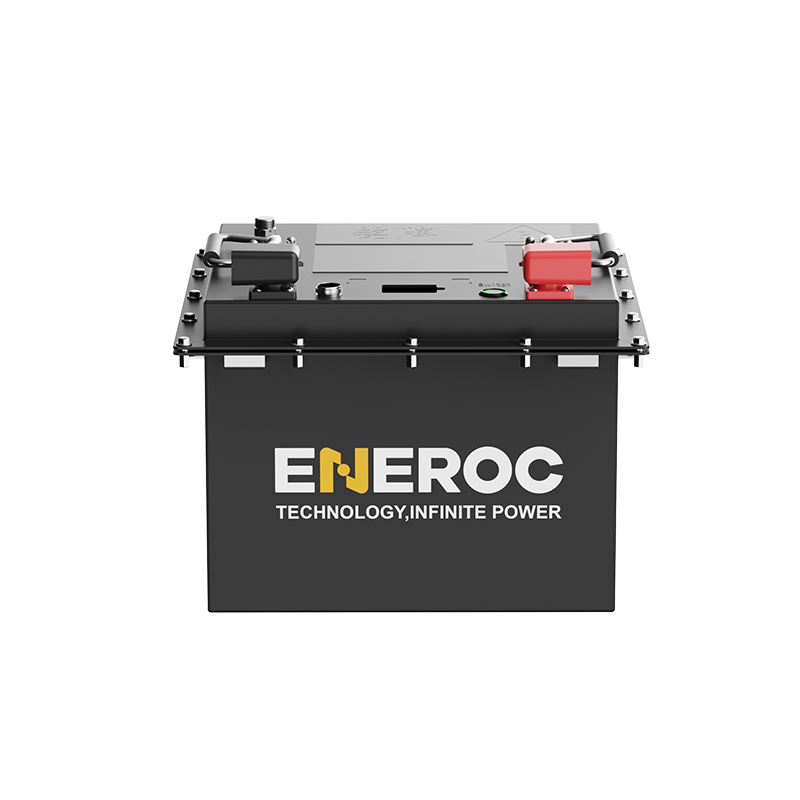
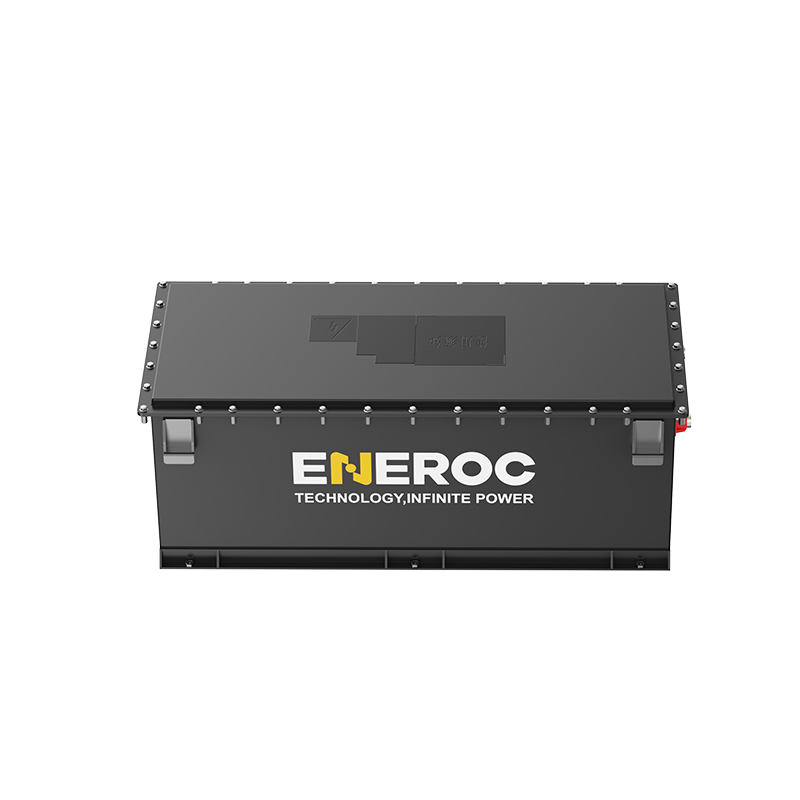
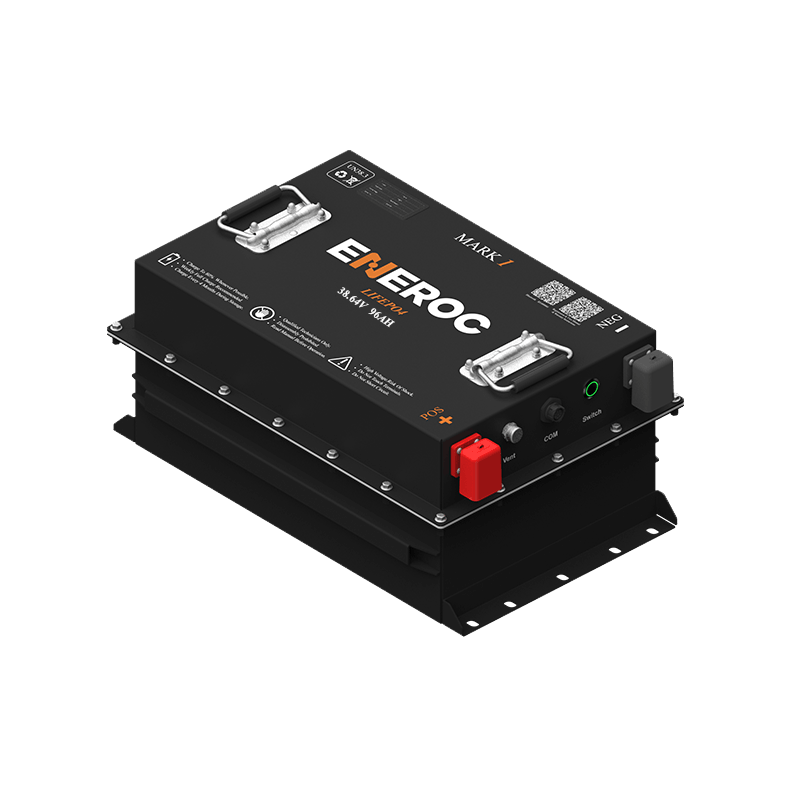
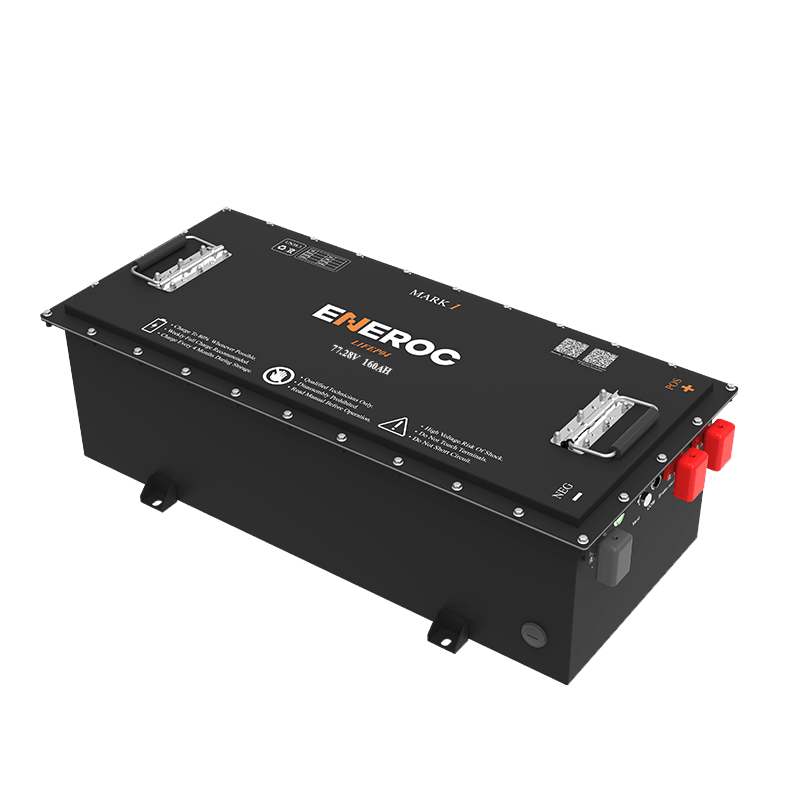
Figure 2. Eneroc High Energy Lithium Power Battery for Light Vehicles
2. Full Temperature Range Thermal Management: stable as ever in scorching heat and severe cold
Thermal Management performance is a key technical indicator that directly determines the product's adaptability across the full temperature range. The lithium iron phosphate system inherently offers high thermal stability. We incorporate heat dissipation channels in the structural design and optimize the internal layout to efficiently disperse heat and prevent local hotspots.
Even in harsh conditions at -20℃, the battery can discharge stably, ensuring the vehicle starts with strong power and runs smoothly without power loss due to low temperatures. At -15℃, the system supports safe charging by leveraging intelligent battery management system (BMS) strategies to effectively avoid the risk of lithium plating at low temperatures, fully alleviating user concerns about charging in cold weather.
Excellent all-temperature adaptability enables the ENEROC light vehicle high-energy lithium power battery to deliver stable and reliable power output to the vehicle, whether in scorching heat or severe cold.
3. Intelligent BMS and Connectivity: Multiple Protections, Visual and Controllable
Regarding safety management, Eneroc currently prefers industry-proven BMS systems equipped with multiple protection mechanisms including overvoltage, undervoltage, overcurrent, short circuit, overtemperature, and low temperature. When the system detects an abnormal condition, it will proactively cut off the output to prevent battery cell damage, fully considering the operational characteristics of the light vehicle and setting protection strategies that balance safety and usability to avoid false protections disrupting normal riding.
To enhance user experience, Eneroc has equipped this series of products with Bluetooth communication functionality. Users can easily check the battery’s real-time status at any time via the mobile app — including remaining capacity (SOC), current voltage, temperature information, and fault status. Whether confirming sufficient charge before daily commuting or monitoring battery health on the go, everything is at your fingertips.
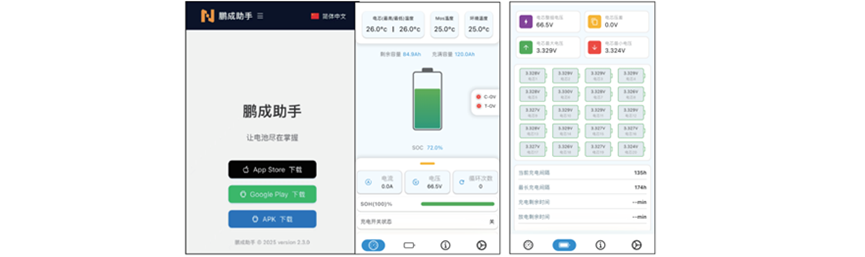
Figure 3. Bluetooth monitoring of battery status
4. Structure, Installation, and Warranty: Reliable Design, Fair Protection
In terms of structure and installation, fully considering the spatial characteristics of light vehicle battery compartments, the battery pack adopts a fully integrated box structure design, compatible with mainstream light vehicle battery compartments, ensuring stable and reliable installation. Meanwhile, regarding interfaces, multiple connection options such as Anderson connectors, terminals, and pin-type heads are currently available to accommodate different vehicle models.
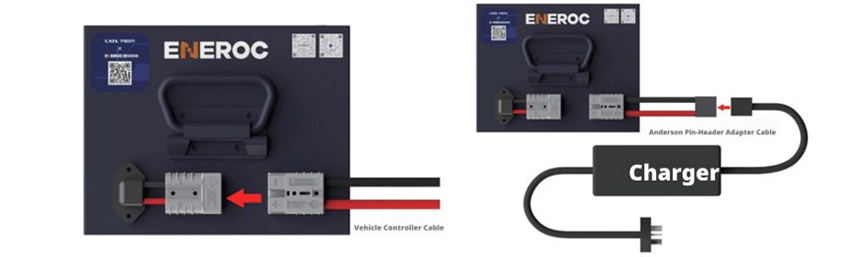
Figure 4. Battery System Wiring
For warranty management, Eneroc employs a warranty calculation method based on cumulative discharged capacity. In other words, the warranty period begins when the product’s cumulative discharged capacity reaches its rated capacity. This method better reflects the battery’s actual usage: the more it is used, the earlier the warranty begins. It is especially suitable for high-frequency operating vehicles, ensuring every charge and discharge counts towards an 'effective warranty.'
5. Conclusion
Compared to traditional lead-acid systems, ENEROC’s high-energy lithium battery for light vehicles offers significant advantages in energy density, cycle life, and system efficiency. Reducing vehicle weight can enhance range and handling performance; extending cycle life lowers total lifecycle costs, and improving charging efficiency shortens recharge time. This represents not only a battery upgrade but also an integral part of the vehicle platform enhancement.
The light vehicle market is gradually transitioning from being price-driven to quality-driven. We aim to provide the industry with a stable, replicable, and scalable lithium battery solutions for light vehicles through systematic design and validation with real data. This reflects both Eneroc's long-term commitment to the non-road vehicles power system sector and its fundamental requirements for safety and reliability as a battery system supplier.

