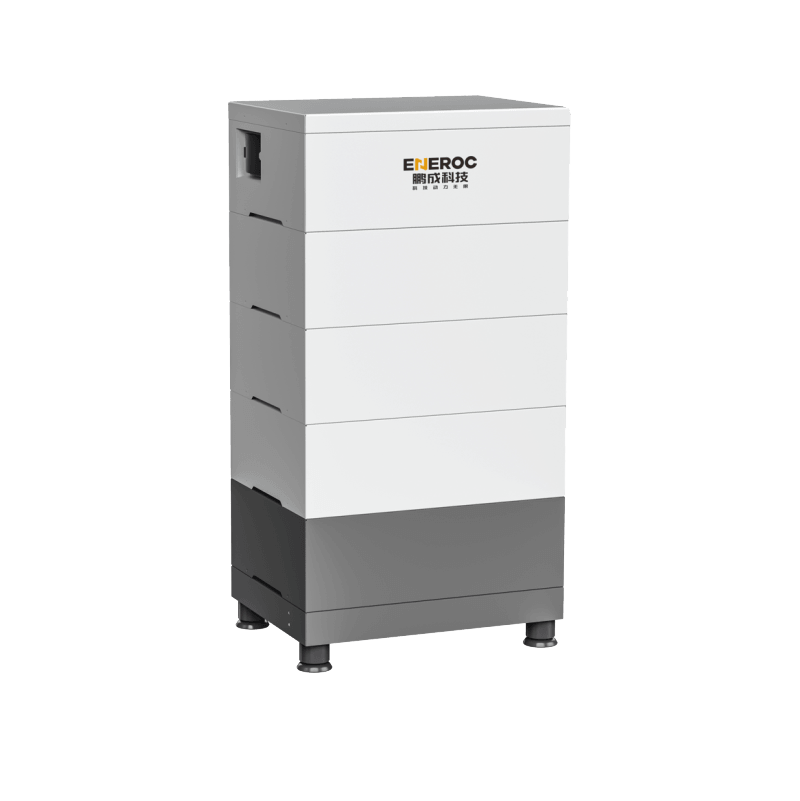










Diverse Applications of Energy Storage: Industrial and Commercial Cost Reduction, Off-Grid and Microgrid Power Supply and Consumption, and Power Grid Frequency Regulation
1. Introduction
Energy storage technology, with its flexible power regulation and energy shifting capabilities, is increasingly becoming a key tool to tackle multiple challenges in power systems. Addressing differentiated needs such as industrial and commercial cost reduction and efficiency enhancement, power grid peak shaving and frequency regulation, and improving the reliability of off-grid and microgrid power supply, energy storage systems can deliver targeted solutions and demonstrate diverse value in practical operation. This article aims to analyze the core functions of the Energy Storage System during operation and its quantifiable economic benefits by reviewing specific practical cases combined with the three aforementioned typical application scenarios.
II. Commercial and Industrial Energy Storage Solutions
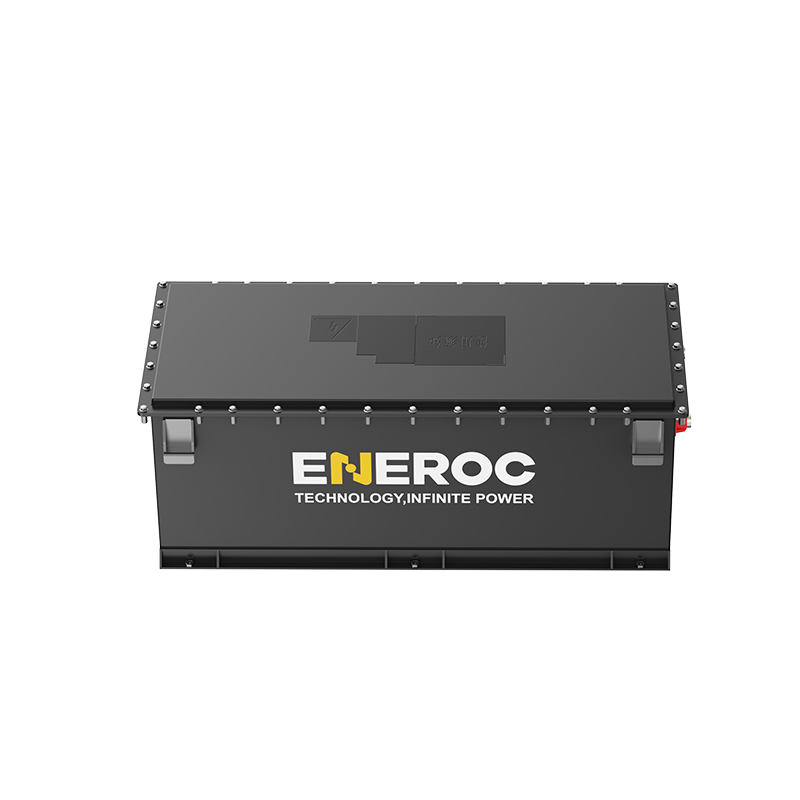
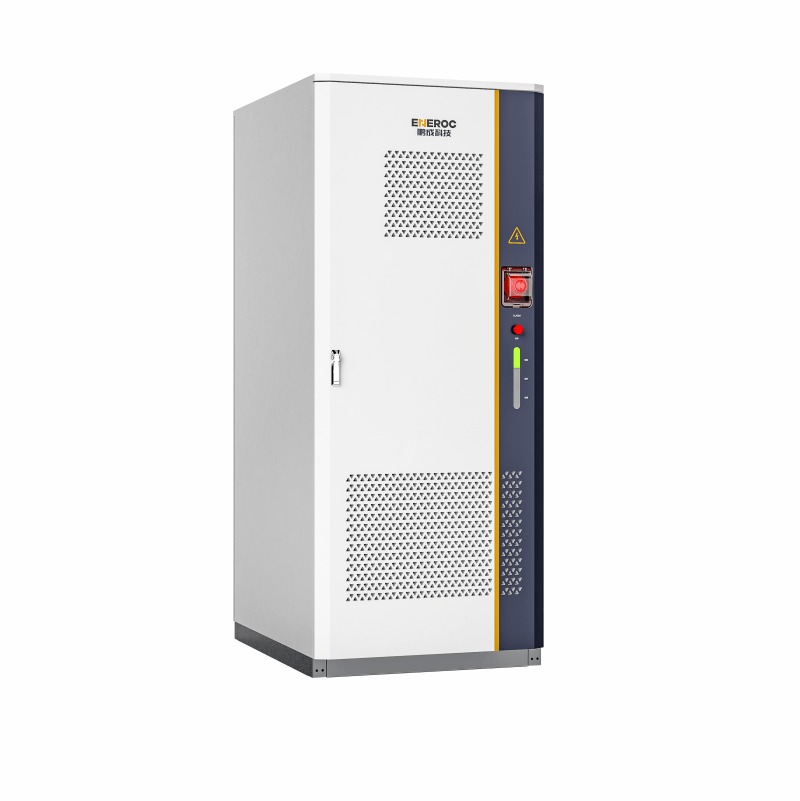
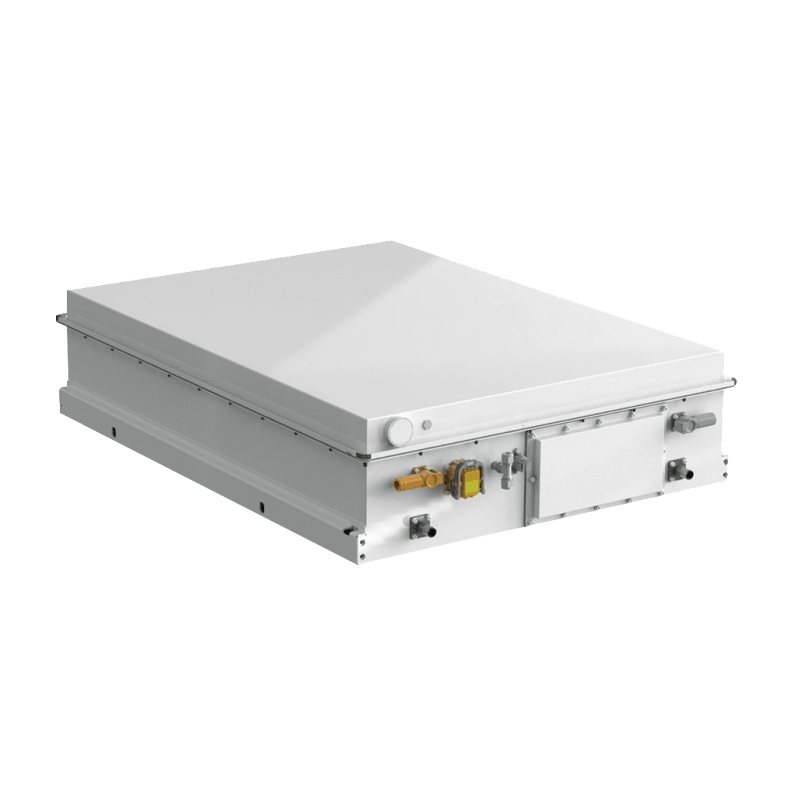
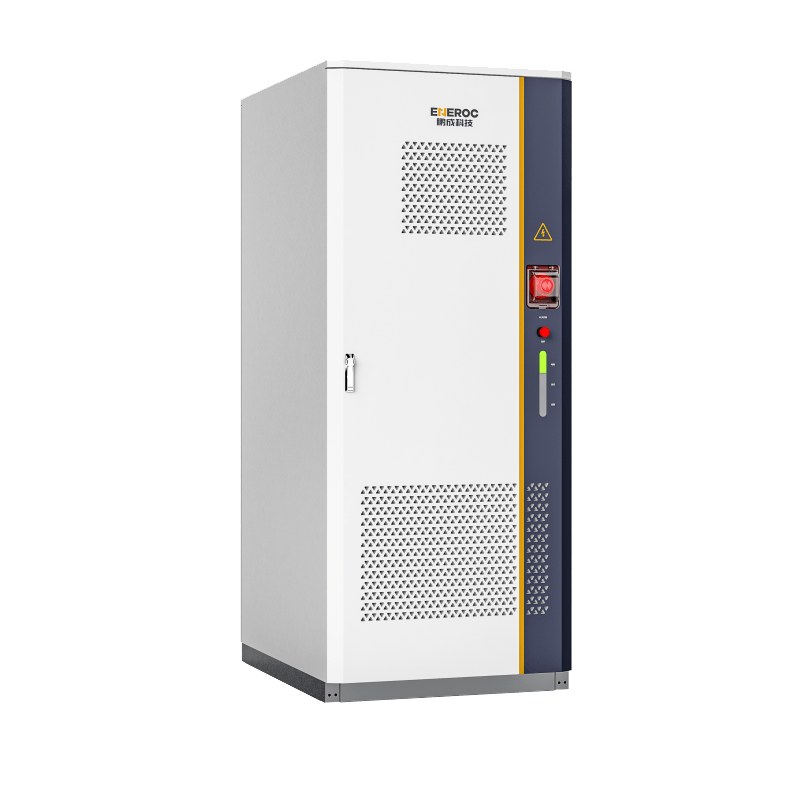
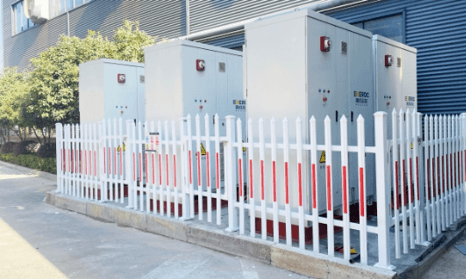
Case One: 600KW/ 1392KWh Air-cooled Outdoor Cabinet Energy Storage System (a materials company in Hangzhou)
- Customer pain points: The power load characteristics of the production equipment are distinct, with electricity consumption concentrated during daytime peak hours, resulting in a disproportionately high ratio of basic electricity charges (demand charges) and energy charges (peak electricity) in the monthly electricity bill. Meanwhile, the company intended to flexibly upgrade the existing Power Distribution System but faced challenges including long construction periods and high investment costs associated with traditional capacity expansion.
- Solution: We deployed an energy storage system composed of highly reliable air-cooled outdoor energy storage cabinets, with a total power of 600K W and a total capacity of 1392K Wh.
- Operating Mode: The system primarily operates in the “Peak-Valley Arbitrage + Demand Control” mode. It charges and stores energy during off-peak electricity periods and discharges during peak electricity periods to directly supply production loads.
- Implementation Effect: After project implementation, the company’s monthly electricity costs significantly decreased, and the investment payback period was considerably better than expected. Additionally, the energy storage system, functioning as a virtual “power buffer pool,” effectively smooths the plant area load curve, enhances the distribution system’s safety margin, and provides flexible power support for the company’s future capacity expansion.
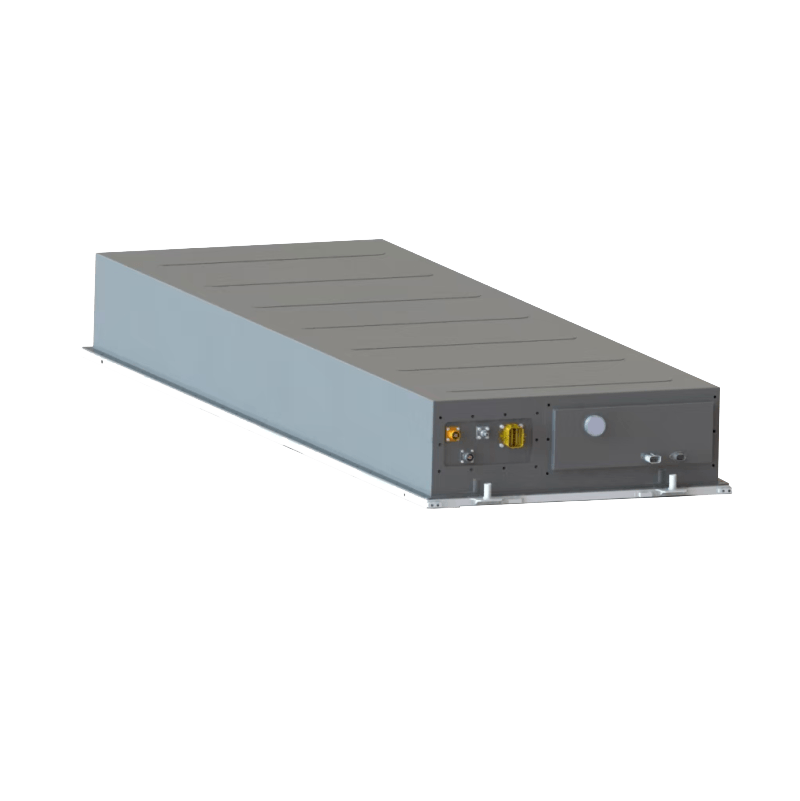
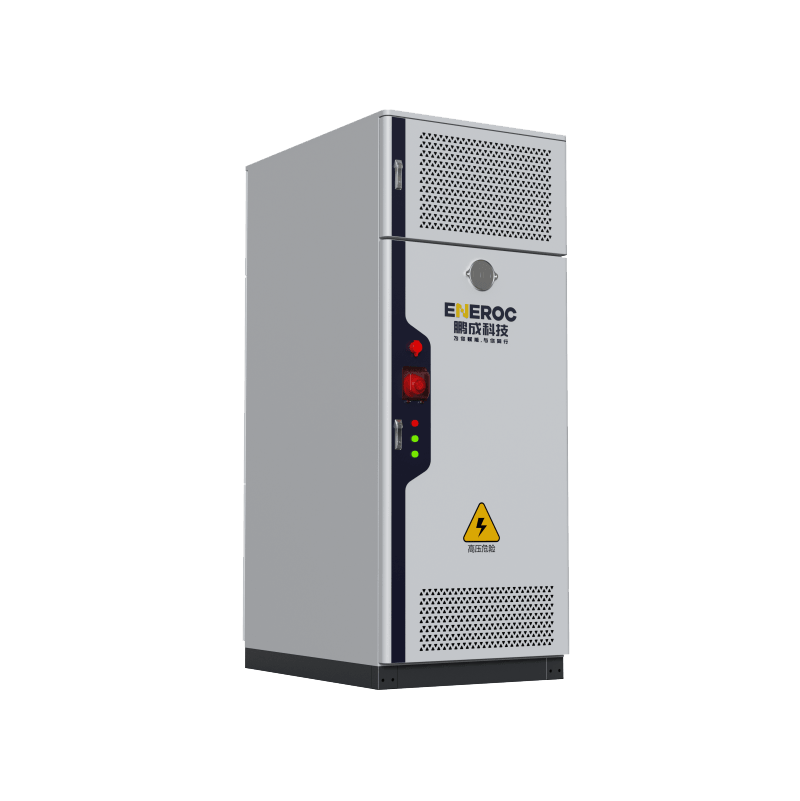
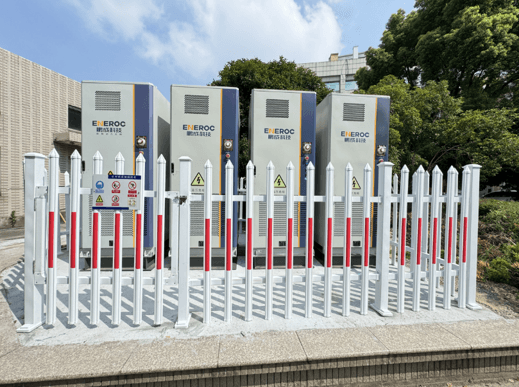
Case Two: 400KW/ 860KWh liquid-cooled outdoor cabinet Energy Storage System (Hangzhou Machinery Manufacturing Co., Ltd.)
- Customer pain points: Precision machining requires extremely high power quality (voltage and frequency stability), and voltage sags may cause product scrap and equipment damage. Additionally, the company is located in an industrial park and faces risks related to orderly electricity use during peak summer demand.
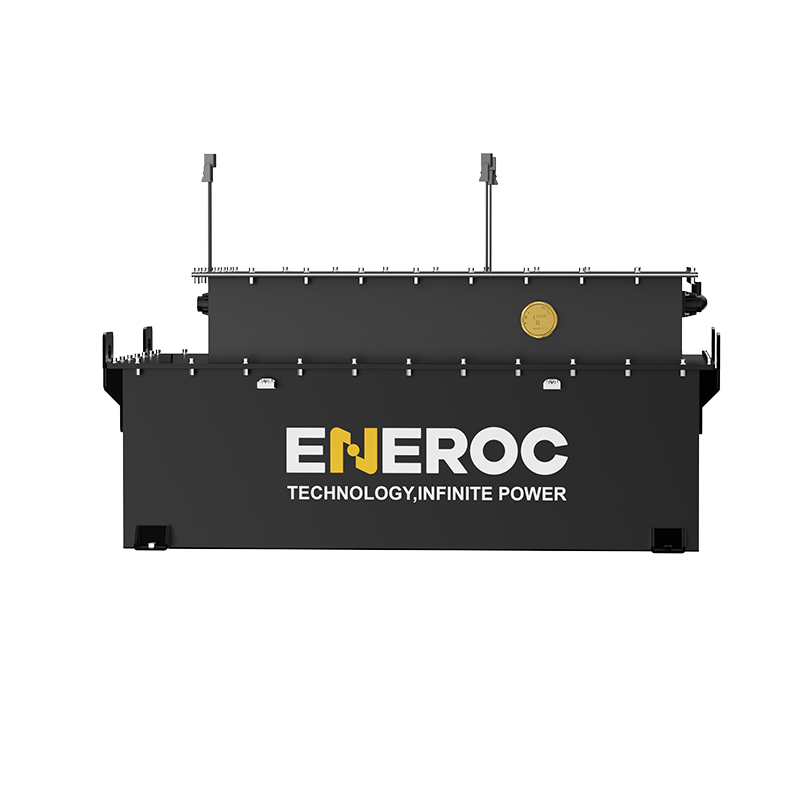
- Solution: We selected a high-performance liquid-cooled outdoor energy storage cabinet, whose liquid cooling thermal management system ensures the battery maintains optimal operating conditions and long service life even in high-temperature environments. Total system power 400 kW, total capacity 860 kWh, and is directly connected to the power distribution circuit of the company’s critical production lines.
- Operating Mode: The system’s core functions are “high-quality backup power supply and power quality management.” It routinely participates in peak-valley arbitrage. Once abnormal voltage dips or momentary interruptions in the power grid are detected, the energy storage system can seamlessly switch to off-grid mode within 10 milliseconds via the built-in PCS, providing uninterrupted, high-quality power to precision production lines until the grid is restored or safe shutdown is performed.
- Implementation Effect: After project implementation, several production accidents potentially caused by power grid fluctuations were effectively avoided, protecting high-value assets. During managed electricity use, the energy storage system can support continuous operation of critical processes for several hours, minimizing production impact. The improvement in power quality also indirectly increased product qualification rates.
III. Off-grid and Microgrid Energy Storage Solutions
Case 1: Communication Base Station Backup Power Microgrid Energy Storage System
- Customer Pain Points: Remote communication base stations traditionally rely on diesel generators as backup power supplies, which involve high fuel transportation costs, frequent maintenance, noise pollution, and unreliable generator startups in low temperature or harsh weather conditions. Especially during critical periods such as forest fire prevention, the demand to ensure continuous power supply to base stations and prevent communication interruptions is extremely urgent.
- Solution: An off-grid backup power microgrid system centered on energy storage and supplemented by photovoltaic has been constructed, completely replacing the original diesel generator.
- Operating Mode: The system mainly operates in two modes: grid-connected and off-grid. When mains power is normal, the energy storage system remains on standby or performs peak shaving and valley filling as needed; Once mains power is interrupted, the system can seamlessly switch to off-grid mode, with the energy storage battery independently supplying power to the base station load.
- Implementation Effect: The project successfully eliminated the diesel generator, achieving zero emissions, silent operation, and unattended backup power supply.
Case Two: ENEROC Intelligent Factory Photovoltaic Energy Storage and Charging Integrated Demonstration Project
- Pain Point: ENEROC aims to create a Green Low Carbon demonstration park but faces the challenge of a mismatch between photovoltaic power generation periods and peak production electricity demand, resulting in low self-consumption rates. At the same time, the demand for electric vehicle charging in the plant area is increasing, and directly connecting to the power grid would worsen daytime peak loads and raise electricity costs.
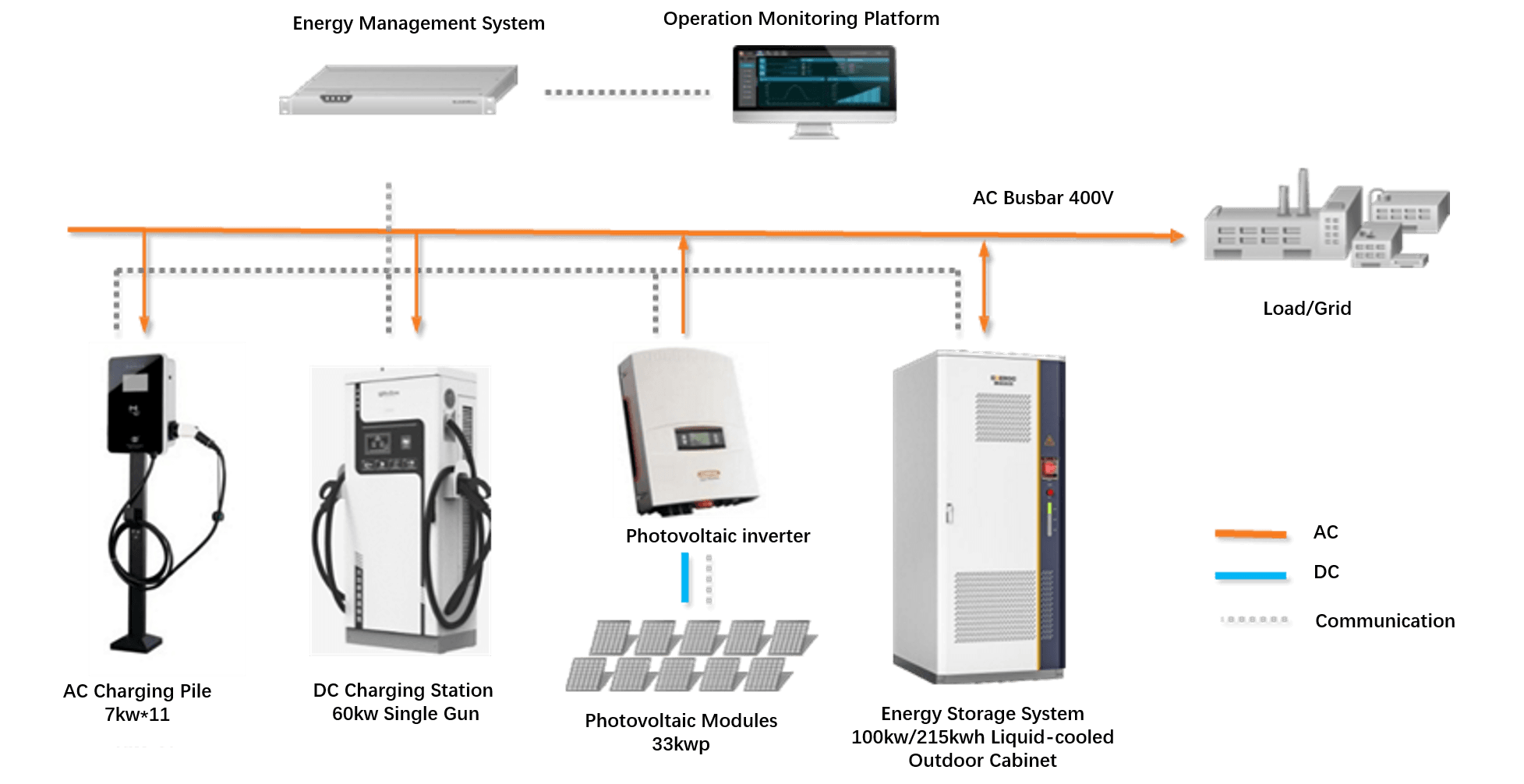
- Solution: Deploy an integrated off-grid intelligent energy system of 'Photovoltaic + Energy Storage + Charging Station,' integrating rooftop photovoltaics, energy storage systems, and multiple charging stations through an intelligent Energy Management System (EMS). The energy storage system serves as the core regulation unit to optimize energy flow throughout the plant.
- Operating Mode: EMS intelligent scheduling enables seamless integration of three modes: 1) Photovoltaic surplus energy is stored in the battery to increase self-consumption; 2) Energy storage performs peak-valley arbitrage by discharging during peak electricity prices to reduce electricity costs; 3) Charging stations prioritize the use of photovoltaic and energy storage power to achieve “green electricity” charging, avoiding additional load on the power grid.
- Implementation Effect: The project successfully significantly increased the share of clean energy consumption in the plant and achieved substantial annual electricity cost savings. During mains power outages, the system can automatically switch to off-grid mode to ensure power supply to critical loads in the plant.
Case Three: Wind and Solar + Energy Storage Off-grid Microgrid System
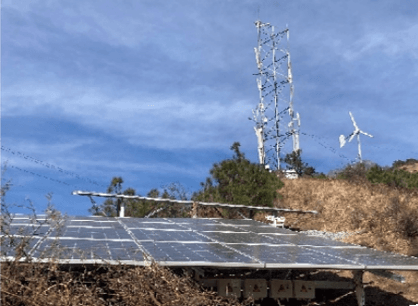
- Customer Pain Points: requires a stable and reliable power supply to meet daily lighting, communication, and equipment operation needs. Single wind power or photovoltaic systems are greatly affected by weather, resulting in highly unstable output and inability to guarantee continuous power supply.
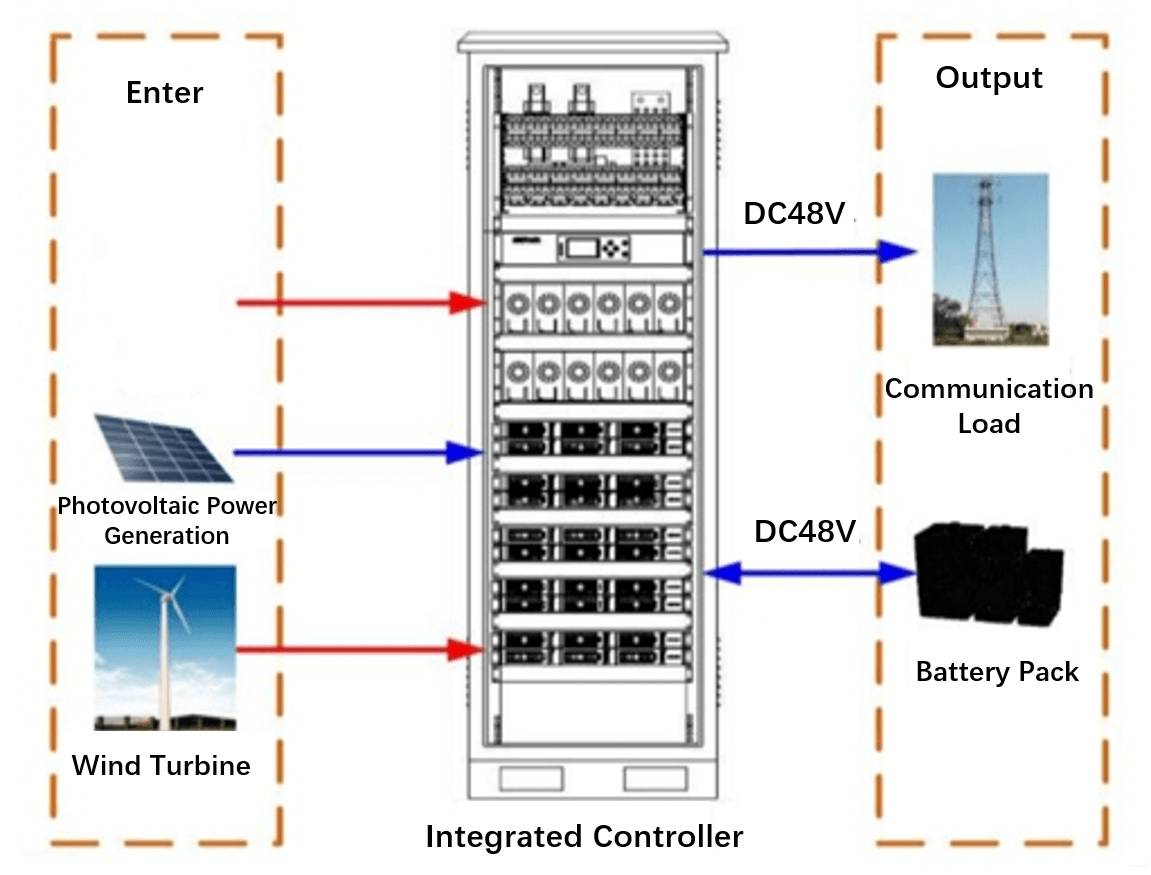
- Solution: deployed a complementary off-grid microgrid system consisting of '5kWp photovoltaic + 5kW wind turbine + 30kWh energy storage'. The energy storage system serves as an energy hub and stabilizer, employing an intelligent controller with a wide voltage input range to efficiently manage energy input from the photovoltaic array and wind turbine, and interface with about 2.5kW of daily load.
- Operating Mode: The energy management system coordinates wind, solar, and storage in real time. When wind and solar resources are sufficient, power generation prioritizes supplying the load, and surplus energy is stored in the battery; when wind and solar are insufficient, the battery discharges to cover the deficit; During continuous cloudy and windless weather, the energy storage battery can independently support the load for several days.
- Implementation Effect: The complementary wind and solar approach significantly enhances the overall stability and self-sufficiency of the energy supply, with operating costs nearly zero, no noise, and no air pollution, establishing a green, low carbon, and reliable independent power supply model.
4. Grid Side and Shared Energy Storage Solutions
Case 1: Shared Energy Storage Station in Qinghai Province (50MW/100MWh)
- Customer Pain Points: The Qinghai region is abundant in solar energy and wind energy resources, but the grid’s absorption capacity faces challenges during certain periods, causing some new energy power generation enterprises to experience wind and solar curtailment pressure. Meanwhile, if each new energy project is required to independently configure energy storage, it will incur high initial investment and operation and maintenance costs, while the utilization efficiency of the decentralized energy storage resources remains low.
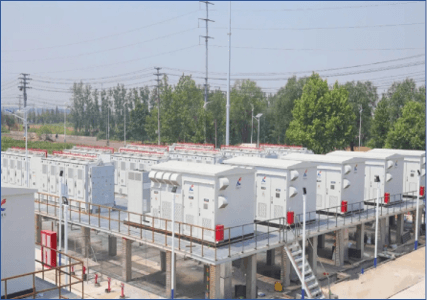
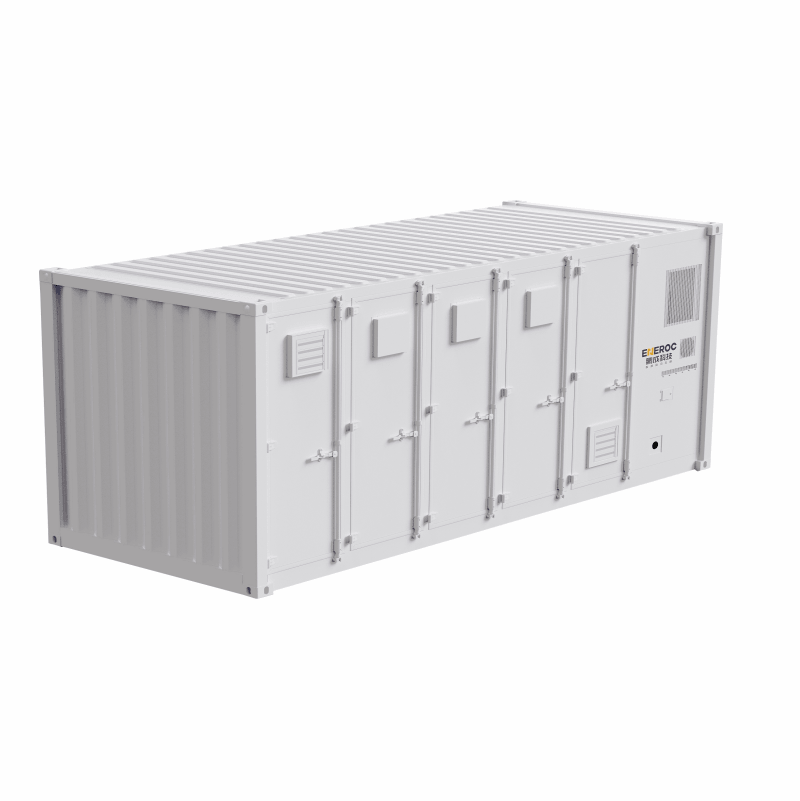
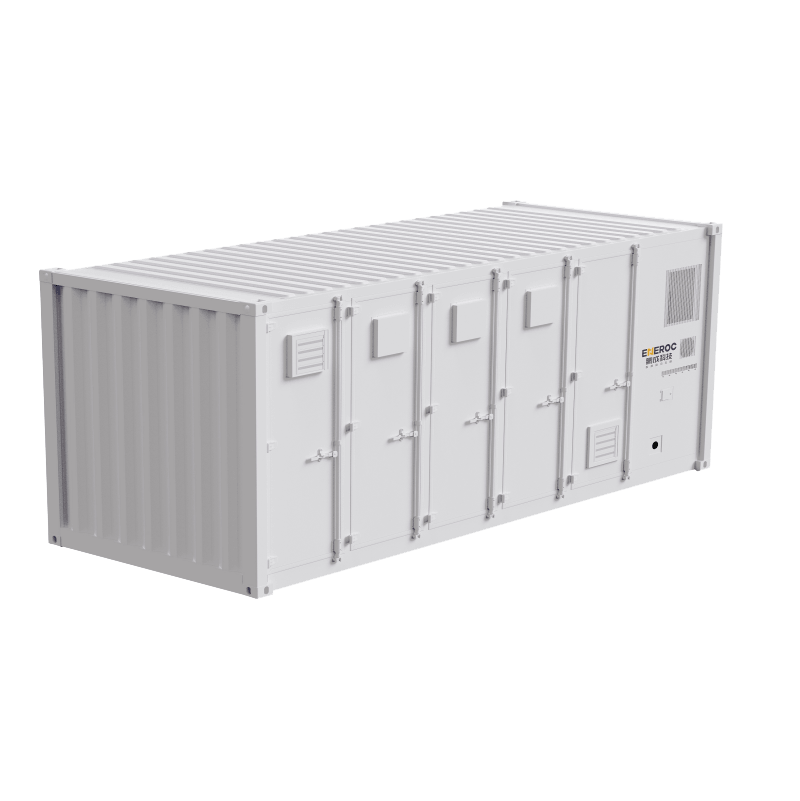
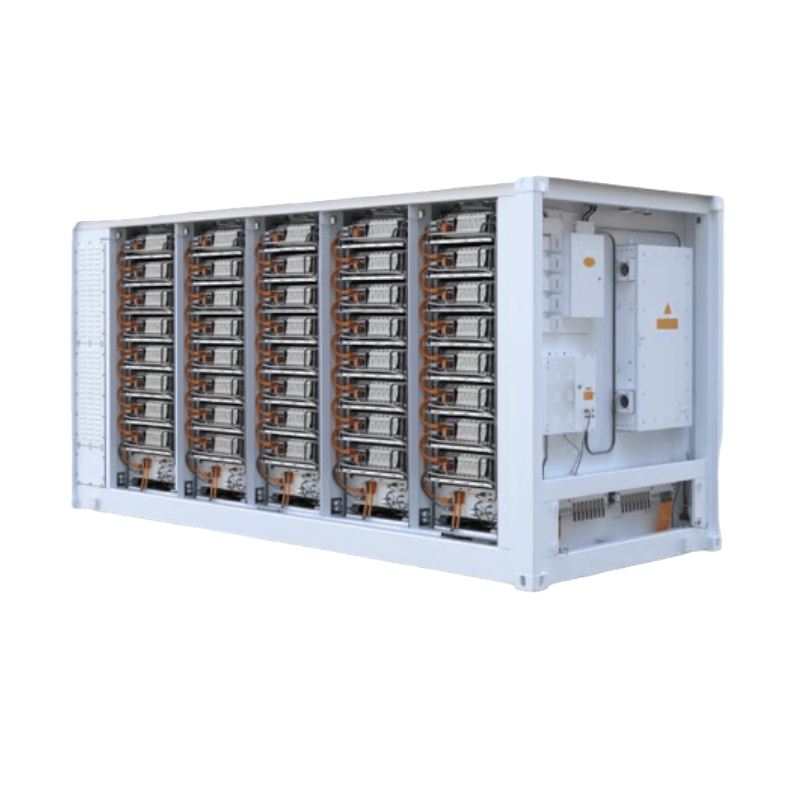
- Solution: As the core equipment supplier and system solution provider, ENEROC participated in the construction of an independent 50MW/100MWh shared energy storage station. This power station adopts a large-scale containerized energy storage system, with centralized construction and centralized operation.
- Operating Mode: This power station, as an independent energy storage asset, primarily provides flexible energy storage capacity leasing services to nearby new energy (solar energy/wind power) power generation companies. New energy enterprises can lease a certain capacity of energy storage space according to their needs, used to store surplus electricity and utilize it when required, thereby optimizing their power generation curve and enhancing grid compatibility and profitability.
- Implementation Effect: Through this shared model, the project significantly reduces the threshold and cost for new energy enterprises in the region to use energy storage, effectively promotes local consumption of clean energy, and reduces power curtailment losses.
Case 2: Feng County Grid Side Energy Storage Project in Jiangsu Province (50MW/115MWh)
- Customer Pain Points: The regional grid in Feng County, Jiangsu, faces increasing supply pressure, characterized by a significant peak-to-valley load difference. Additionally, the grid frequency stability is challenged by the increasing proportion of New Energy integration. The local power system urgently needs a flexible resource capable of efficiently performing Peak Shaving and Valley Filling while providing fast Frequency Regulation, in order to comprehensively enhance grid operation reliability and Power Quality.
- Solution: A containerized Energy Storage System solution with a total capacity of 50MW/115MWh was provided.
- Operating Mode: This project acts as a flexible regulation resource on the grid side, subject to unified scheduling by the power grid. It discharges during daytime peak load periods to participate in peak shaving; It charges during nighttime valley load periods to achieve valley filling, effectively smoothing the regional net load curve. Simultaneously, the system remains online 24/7, responding in real-time to the grid's automatic generation control commands, rapidly and accurately absorbing or releasing power, providing primary and secondary frequency regulation and other ancillary services, directly enhancing the grid’s frequency stability.
- Implementation Effect: Since commissioning, the project has significantly improved the regulation capability and operational reliability of the power grid in Feng County. Through peak shaving and valley filling, the pressure on power supply during peak periods is alleviated, and the utilization efficiency of transmission and distribution facilities is enhanced; Through rapid frequency regulation, frequency fluctuations in the power grid are effectively suppressed, strengthening the grid’s ability to respond to sudden power variations and fluctuations from new energy sources.